
About Tsinghua University

Overview

Founded in 1911, Tsinghua University is one of China's leading research universities and is internationally recognised for engineering, technology, science, architecture, economics, and management.

International students study alongside some of China's strongest students in a demanding academic environment with a strong emphasis on research, innovation, and independent learning.

Why choose Tsinghua

A world-class academic reputation, a historic campus, and one of China's leading environments for science, engineering, and innovation.

What to prepare for

Strong language qualifications are essential. Some programmes may also have additional assessments or portfolio requirements.

Best-fit student

You have excellent grades, strong preparation in relevant subjects, and the language skills needed for your chosen programme.

Not ideal for

You're looking for a wide range of English-taught undergraduate programmes or prefer a less academically intensive environment.

Study language

Language requirements

Chinese language

HSK Level 5+ for Chinese-taught programmes

Chinese-taught undergraduate programmes normally require HSK Level 5 or above, with at least 60 in Listening, Reading, and Writing. Some applicants may receive conditional admission with HSK Level 4, provided they achieve HSK Level 5 during their first year.

English language

Accepted English qualification required

Applicants whose native language is not English must provide an accepted English language qualification, such as TOEFL, IELTS, or another qualification recognised by Tsinghua. English language requirements vary by programme, so always check the programme guide before applying.

Important for planning Choose your route by teaching language first: most undergraduate options are Chinese or Chinese-English, while English-taught choices are limited to selected programmes.

Academic fit

Entry requirements

Qualification Official Tsinghua requirement ChinaStudyGuide estimate
A-LevelNo fixed minimum publishedA*A*A in relevant subjects
IBNo fixed minimum published40-42+ overall with strong Higher Level subjects
SAT / APNational, regional, or international test results may be submittedSAT 1500+ plus strong AP or subject results where available
OtherHigh school graduation certificate or equivalentTop results in your national curriculum with strong subject fit

The competitive targets below are ChinaStudyGuide's recommendations based on the competitiveness of Tsinghua admissions. They are intended as planning guidance only and are not official admission requirements.

Scholarship assessment

CSCA

Do I need CSCA?

General undergraduate admission No
Chinese Government Scholarship Yes

Most undergraduate applicants do not need to take the CSCA. It is mainly required for applicants seeking the Chinese Government Scholarship.

Choose your route

Admission routes

A Closed for 2026

Main undergraduate application

Suitable if you want to study a Chinese-taught undergraduate programme at Tsinghua.

Application window
2026 intake closed on 28 Feb 2026
Teaching language
Mainly Chinese and English
Language qualification
HSK Level 5 normally expected
Subject choice
See the Subjects section below
Assessment
Document review + comprehensive assessment
Official divisions ↗
Important: Choose the route by study language and programme first. Tsinghua does not offer every undergraduate subject in English. The THU-CUHK Economics dual degree also has specific joint-programme selection and fee rules, so check that programme guide separately.

From application to arrival

Application process

  1. Apply

    Choose your application pathway and programme, complete the online form, upload documents, and submit the application.

  2. Document review

    Tsinghua reviews eligibility, academic results, documents, whether you meet the language requirements, and programme fit.

  3. Comprehensive assessment

    Shortlisted applicants may be invited to an integrative test, interview, or portfolio review, depending on programme.

  4. Admission decision

    Admission decisions are based on your academic record, supporting documents, and any programme-specific assessments.

  5. Visa

    Use your admission documents to prepare the student visa and arrival paperwork.

  6. Registration

    Confirm accommodation, required documents, and arrival steps before registering in Beijing.

Documents to prepare Personal statement, recommendation letters, video, transcripts, and supporting documents

Start early

Some documents carry much more weight than others. Preparing them early gives you time to present your application at its best.

01Personal statement

Explain why you've chosen your intended programme, why Tsinghua is the right fit for your academic goals, and how your previous studies have prepared you for the course.

02Recommendation letters

Choose teachers who know your academic performance well and can provide specific examples of your strengths, motivation, and potential.

03Self-introduction video

Use the video to introduce yourself naturally and confidently. Focus on speaking clearly rather than trying to memorise a perfect script.

  • 04Passport and parent passport pages where required
  • 05High school graduation or pre-graduation certificate
  • 06CV and transcripts
  • 07Language qualification for your application pathway
  • 08National, regional, or international standard test results
  • 09Financial sponsor materials
  • 10Nationality or background documents, where applicable

Documents not issued in Chinese or English may need a notarised Chinese or English translation.

Before you submit

Your readiness checklist

Application readiness 0 / 6 completed

Academic choice

Subjects

Browse undergraduate subjects using Tsinghua's official admission catalogue.

Popular searches

Search by subject, school, or teaching language.

Major / option Admissions category / programme School / college Teaching language
ArchitectureArchitectureSchool of ArchitectureChinese (mainly)
Urban and Rural PlanningArchitectureSchool of ArchitectureChinese (mainly)
Landscape ArchitectureArchitectureSchool of ArchitectureChinese (mainly)
Mechanical EngineeringIntelligent Manufacturing and EquipmentDepartment of Mechanical EngineeringChinese (mainly)
Mechanical Engineering (Elite Program)Intelligent Manufacturing and EquipmentDepartment of Mechanical EngineeringChinese (mainly)
Vehicle EngineeringIntelligent Manufacturing and EquipmentSchool of Vehicle and MobilityChinese (mainly)
Electronic Information Science and TechnologyElectronic InformationDepartment of Electronic EngineeringChinese (mainly)
Computer Science and TechnologyComputer ScienceDepartment of Computer Science and TechnologyChinese (mainly)
AutomationAutomationDepartment of AutomationChinese (mainly)
Information Management and Information SystemsAutomationSchool of Economics and ManagementChinese (mainly)
Pure and Applied MathematicsMathematics, Physics and Modern EngineeringDepartment of Mathematical SciencesChinese (mainly)
PhysicsMathematics, Physics and Modern EngineeringDepartment of PhysicsChinese (mainly)
Fundamental Sciences (Mathematics and Physics)Mathematics, Physics and Modern EngineeringDepartment of PhysicsChinese (mainly)
StatisticsMathematics, Physics and Modern EngineeringDepartment of Statistics and Data ScienceChinese (mainly)
ChemistryChemistry and Life ScienceDepartment of ChemistryChinese (mainly)
Chemical BiologyChemistry and Life ScienceDepartment of ChemistryChinese (mainly)
Biological ScienceChemistry and Life ScienceSchool of Life SciencesChinese (mainly)
Polymer Materials and EngineeringChemistry and Life ScienceDepartment of Chemical EngineeringChinese (mainly)
Chemical Engineering and Industrial Biological EngineeringChemistry and Life ScienceDepartment of Chemical EngineeringChinese (mainly)
Economics and Finance (International Program)Economics, Finance and ManagementSchool of Economics and ManagementChinese (mainly)
Information Management and Information SystemsEconomics, Finance and ManagementSchool of Economics and ManagementChinese (mainly)
LawLawSchool of LawChinese (mainly)
DesignArtsAcademy of Arts and DesignChinese (mainly)
Fine ArtsArtsAcademy of Arts and DesignChinese (mainly)
Art HistoryArtsAcademy of Arts and DesignChinese (mainly)
Clinical Medicine (Outstanding Physician-Scientist Program)Clinical MedicineSchool of MedicineChinese (mainly)
Interdisciplinary EngineeringGlobal Talents in Science and EngineeringZijing CollegeEnglish
Electrical Engineering and AutomationGlobal Talents in Science and EngineeringZijing CollegeEnglish
Electronic Information Science and TechnologyGlobal Talents in Science and EngineeringZijing CollegeEnglish
Mechanical EngineeringGlobal Talents in Science and EngineeringZijing CollegeEnglish
Measurement, Control Technology and InstrumentsGlobal Talents in Science and EngineeringZijing CollegeEnglish
Vehicle EngineeringGlobal Talents in Science and EngineeringZijing CollegeEnglish
Civil Engineering and SystemsGlobal Talents in Science and EngineeringZijing CollegeEnglish
Traffic EngineeringGlobal Talents in Science and EngineeringZijing CollegeEnglish
ArchitectureUrban Regeneration and DesignZijing CollegeEnglish
Urban PlanningUrban Regeneration and DesignZijing CollegeEnglish
Landscape ArchitectureUrban Regeneration and DesignZijing CollegeEnglish
Political SciencePolitics, Economics and Sociology for Global Leaders in Smart SocietyZhishan CollegeEnglish
EconomicsPolitics, Economics and Sociology for Global Leaders in Smart SocietyZhishan CollegeEnglish
SociologyPolitics, Economics and Sociology for Global Leaders in Smart SocietyZhishan CollegeEnglish
International RelationsPolitics, Economics and Sociology for Global Leaders in Smart SocietyZhishan CollegeEnglish
View the official subject list ↗
How major selection works: Most students first enter a broad Tsinghua division and study a general first-year curriculum. Specific programmes or majors are usually confirmed by the end of the first academic year, before students move into the relevant school or department for major study. English-taught programmes are listed in the same table above and follow their own programme guides.

Budget planning

Fees & funding

TuitionAnnual tuition reference by route
Degree lengthChoose a planning period
AccommodationRMB 48,000Conservative Beijing/Haidian estimate
MealsRMB 24,000Baseline student budget
TransportRMB 5,000Annual planning allowance
MiscellaneousPlan extraFlights, visa, books, setup costs, and deposits
Estimated Year 1 BudgetIncludes application fee; excludes flights, visa, deposit, and setup costs
RMB 0
Indicative full-degree budgetBefore inflation or tuition changes
RMB 0

Funding your degree

Scholarships

Scholarship Typical cover Difficulty CSCA? Key note
Chinese Government Scholarship Tuition, accommodation, insurance, and living allowance Very high Yes Undergraduate CSC applicants need CSCA. Usually apply through the home-country dispatching authority and follow CSC or embassy instructions.
Tsinghua University Institutional Scholarship Full, half, or partial support for outstanding international undergraduate freshmen High No Apply early and prepare a strong academic profile, personal statement, and recommendation letters.
Scholarship planning Prepare a self-funded plan as well. Scholarship decisions are competitive and may follow different timelines from the admission application.

Where you may live

Accommodation

On-campus option

International student dormitories

Zijing International Student Apartments are the main name international students should recognise. Living on campus makes classes, libraries, dining halls, and student services easier to reach.

Best for
First-year students who want a simpler routine and a campus-based lifestyle
Plan for
Room types, booking windows, prices, and availability can differ, so check after admission
Off-campus option

Private rental in Beijing

Private rental can give more independence, but Beijing rent near Haidian can be expensive. Students should also think about commuting time, deposit, contracts, and local registration.

Best for
Students who already know Beijing well or want more flexibility than a dormitory
Plan for
Register your address locally after moving in and keep extra budget for upfront rental costs

Prepare a housing backup plan before arrival unless Tsinghua confirms accommodation for your intake.

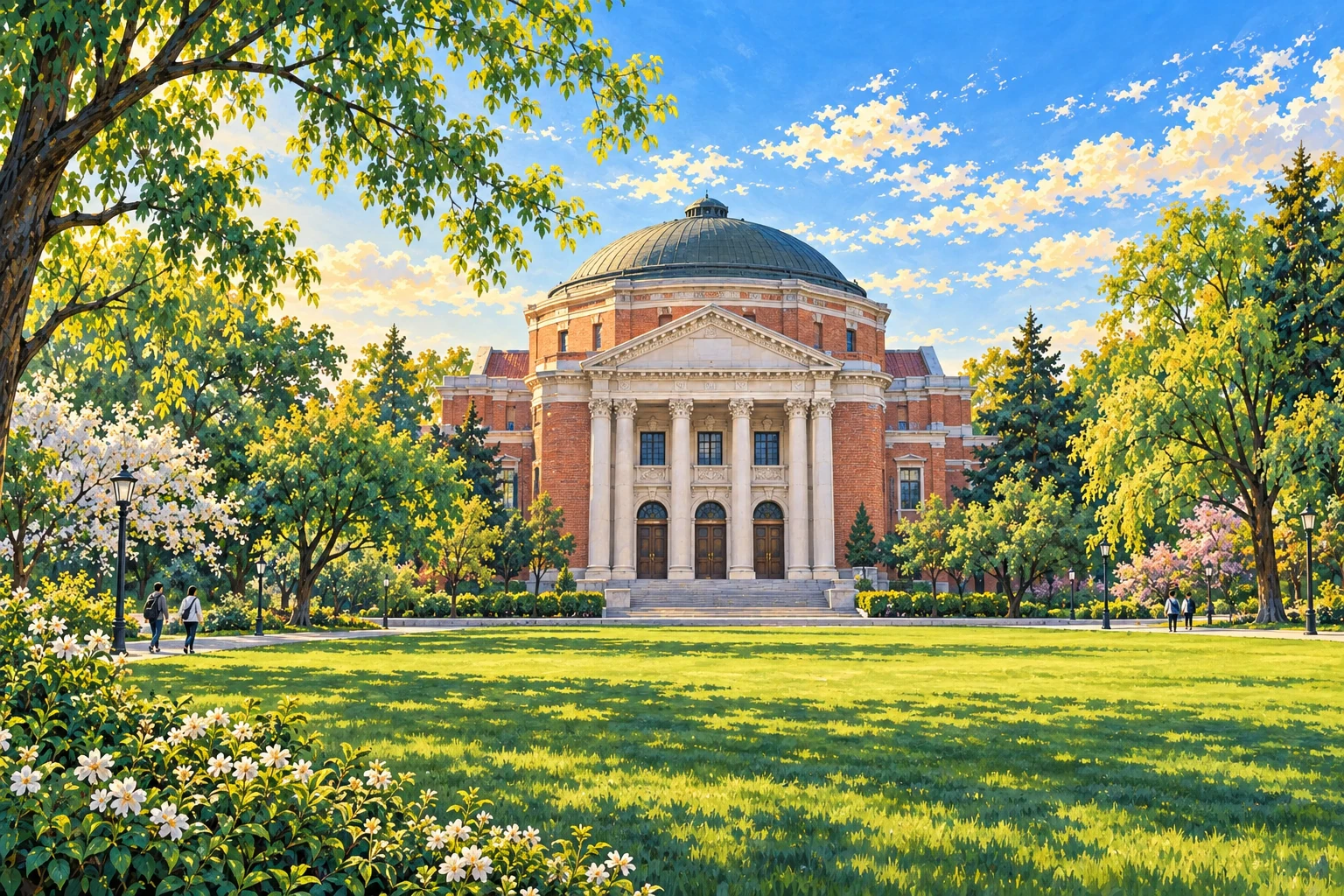
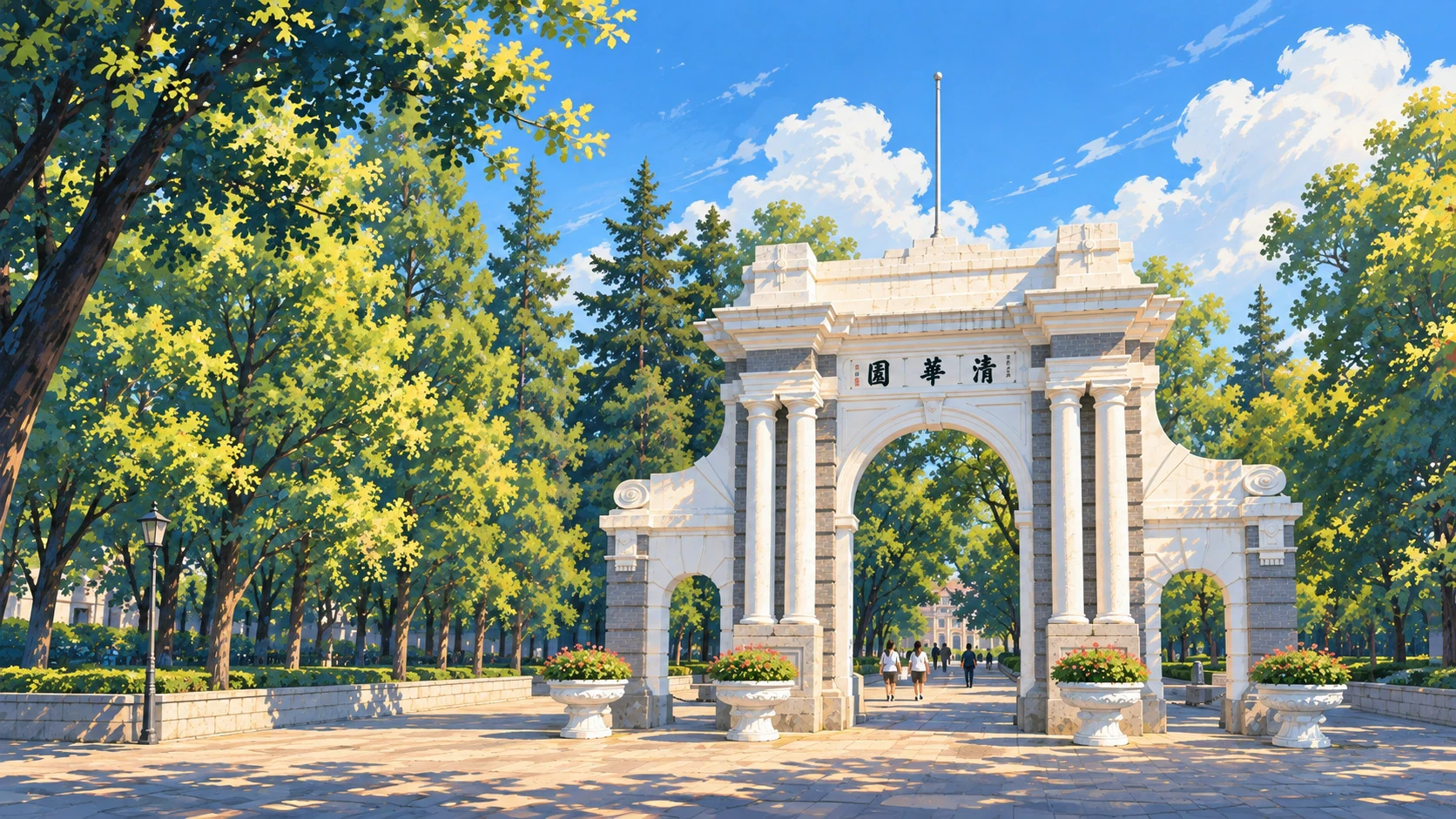
Tsinghua University campus scenery

Life in Beijing

Student life

Beijing is intense, historic, and highly connected. Around Tsinghua, Haidian feels academic and technology-focused, while the wider city offers museums, policy institutions, technology companies, cultural life, live events, food, parks, and a fast-moving capital-city rhythm.

Campus

Tsinghua is known for a spacious campus setting, libraries, labs, dining halls, student communities, and a strong academic atmosphere.

Student life

Haidian feels student-focused, with nearby universities, cafes, study spaces, sports, societies, and affordable local food options.

Transport

Wudaokou and nearby subway connections link the campus with the rest of Beijing.

Career exposure

As China's capital, Beijing can offer stronger access to technology, research, policy, business, and international organisations.

Compare choices

Compare other universities

Not sure whether Tsinghua is the right fit? Compare it with other leading Chinese universities by city, subject strengths, language route, scholarships, and campus life.